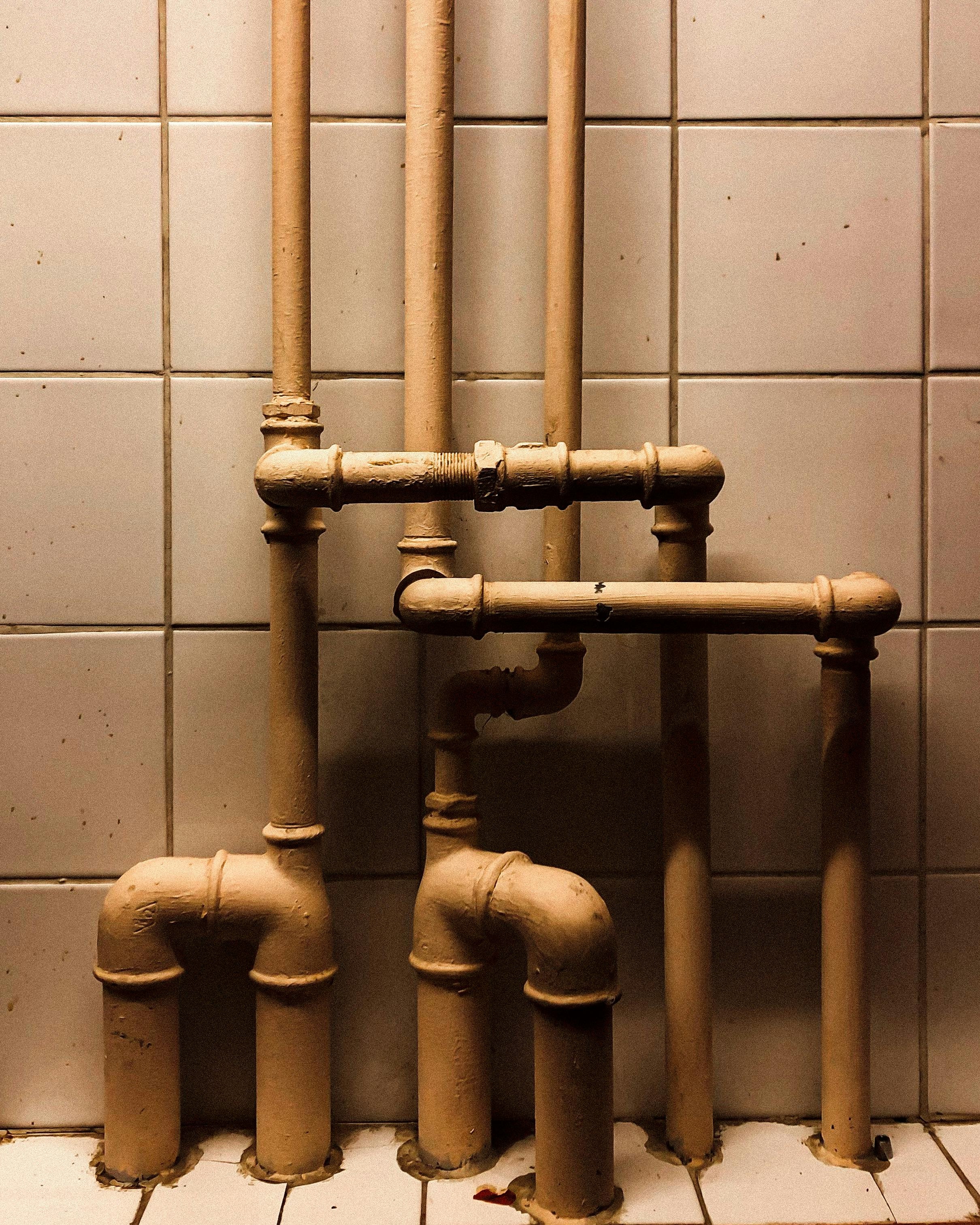
Preparing Your Portland Home Plumbing for Nor’easter Storms
When a nor’easter barrels up the Atlantic coast toward Portland, Maine, most homeowners focus on stocking up on essentials and securing outdoor furniture. But while you’re preparing for power outages and heavy snow, don’t overlook one of your home’s most vulnerable systems: your plumbing.
Portland’s unique coastal climate and historic housing present special challenges during winter storms. The combination of sub-freezing temperatures, salt air exposure, and aging pipes in many of the city’s 18th and 19th-century homes creates the perfect storm for plumbing disasters. As temperatures plummet and winds howl off Casco Bay, your pipes face threats that can turn a manageable storm into a costly emergency.
The good news? With proper preparation, you can protect your plumbing system and avoid the headache of burst pipes, frozen fixtures, and water damage when the storm passes.
Understanding Portland’s Plumbing Vulnerabilities
Portland’s historic charm comes with unique plumbing challenges that intensify during nor’easters. Many of the city’s Victorian and colonial homes feature original cast iron and galvanized steel pipes that weren’t designed for today’s extreme weather patterns. These aging systems become increasingly brittle in freezing conditions, making them prone to cracking and bursting.
The coastal location adds another layer of complexity. Salt air continuously corrodes metal fixtures and pipes, weakening them over time. When a nor’easter brings sustained sub-zero temperatures, these already-compromised systems face their greatest test.
Basement foundations, common in Portland’s older homes, often house exposed pipes that bear the brunt of cold air infiltration. Without proper insulation, these pipes become prime candidates for freezing – especially during extended cold snaps that can last several days after a major storm passes through.
Pre-Storm Plumbing Checklist
Before the first snowflake falls, take these essential steps to storm-proof your plumbing system:
- Inspect all exposed pipes in basements, crawl spaces, and unheated areas for existing damage or corrosion
- Check pipe insulation and replace any damaged foam sleeves or heat tape, paying special attention to pipes near exterior walls
- Test your main water shutoff valve to ensure it operates smoothly – you’ll want quick access if a pipe bursts
- Locate and clear your sewer cleanout so it’s accessible if backup issues arise during the storm
- Service your sump pump by testing the float switch and ensuring the discharge pipe is clear of debris
- Drain outdoor water features including fountains, birdbaths, and decorative fixtures that could crack when frozen
- Disconnect and store garden hoses while shutting off exterior spigot valves and draining the lines
For homes with well water systems, additional preparation is crucial since power outages can leave you without water pressure for extended periods.
Protecting Pipes During Temperature Drops
When the mercury starts falling, your focus should shift to active pipe protection. Portland’s freeze-thaw cycles can be particularly damaging, as repeated expansion and contraction stress pipe joints and fittings.
- Keep cabinet doors open under sinks to allow warm air circulation around pipes, especially those on exterior walls
- Run a pencil-thin stream of water from faucets connected to vulnerable pipes – moving water is much harder to freeze
- Set your thermostat no lower than 55°F even if you’re leaving town, as the cost of heating beats expensive pipe repairs
- Open interior doors to promote air circulation throughout your home, preventing cold pockets from forming
- Monitor basement and crawl space temperatures with a thermometer, taking action if temperatures approach freezing
- Apply heat tape to problem pipes that have frozen in previous storms, following manufacturer installation guidelines carefully
Remember that pipes in Portland’s historic homes often run through uninsulated wall cavities or near stone foundations that conduct cold efficiently. These areas need extra attention during temperature drops.
Emergency Response and Damage Control
Despite your best preparation efforts, pipes can still freeze or burst during severe storms. Knowing how to respond quickly can minimize damage and prevent a minor issue from becoming a major disaster.
If you discover a frozen pipe, act immediately but safely:
- Never use open flames or high-heat devices like blowtorches to thaw pipes – this can cause dangerous steam buildup or fires
- Apply gentle heat using a hair dryer starting from the faucet end and working toward the frozen section
- Wrap pipes with towels soaked in warm water as a safe alternative heating method
- Keep the affected faucet open to allow melted ice to flow out and relieve pressure in the system
For burst pipes, damage control becomes your priority:
- Shut off the main water supply immediately at the street or where the main line enters your home
- Turn off electricity to affected areas if water is near electrical outlets or fixtures
- Remove standing water using buckets, mops, or wet vacuums to prevent further property damage
- Document the damage with photographs before beginning cleanup for insurance purposes
When to Call a Professional Portland Plumber
While many storm preparation tasks are DIY-friendly, some situations require professional expertise – especially in Portland’s complex historic plumbing systems. Attempting repairs beyond your skill level can lead to more extensive damage and higher costs.
Contact a professional plumber immediately for:
- Burst pipes in wall cavities or other hard-to-reach locations requiring wall opening and reconstruction
- Main line breaks or sewer backups that could pose health hazards or require specialized equipment
- Water heater issues including pilot light problems, gas leaks, or electrical malfunctions
- Frozen pipes you cannot locate or that don’t respond to gentle thawing methods
- Multiple fixture failures suggesting a system-wide problem rather than isolated issues
Portland’s aging infrastructure means that what appears to be a simple repair often reveals more extensive problems requiring professional assessment. A qualified plumber can also identify vulnerable areas in your system and recommend upgrades to prevent future storm damage.
Don’t wait until pipes burst to establish a relationship with a reliable local plumbing service. Having a trusted professional’s contact information readily available can save precious time during an emergency.
Preparing your Portland home’s plumbing for nor’easter storms isn’t just about weathering the immediate crisis – it’s about protecting your investment and ensuring your family’s comfort and safety. By taking proactive steps and knowing when to seek professional help, you can face even the fiercest coastal storms with confidence.
Need professional help preparing your plumbing system or dealing with storm damage? Call The Portland Plumber at (207) 387-7782.
Need Professional Help?
If you're experiencing plumbing issues in Portland, our licensed plumbers are ready to help.
Call Now: (207) 387-778224/7 Emergency Service Available